

Toronto market update: how the city's housing market actually works
Doorvia Research · September 11, 2026
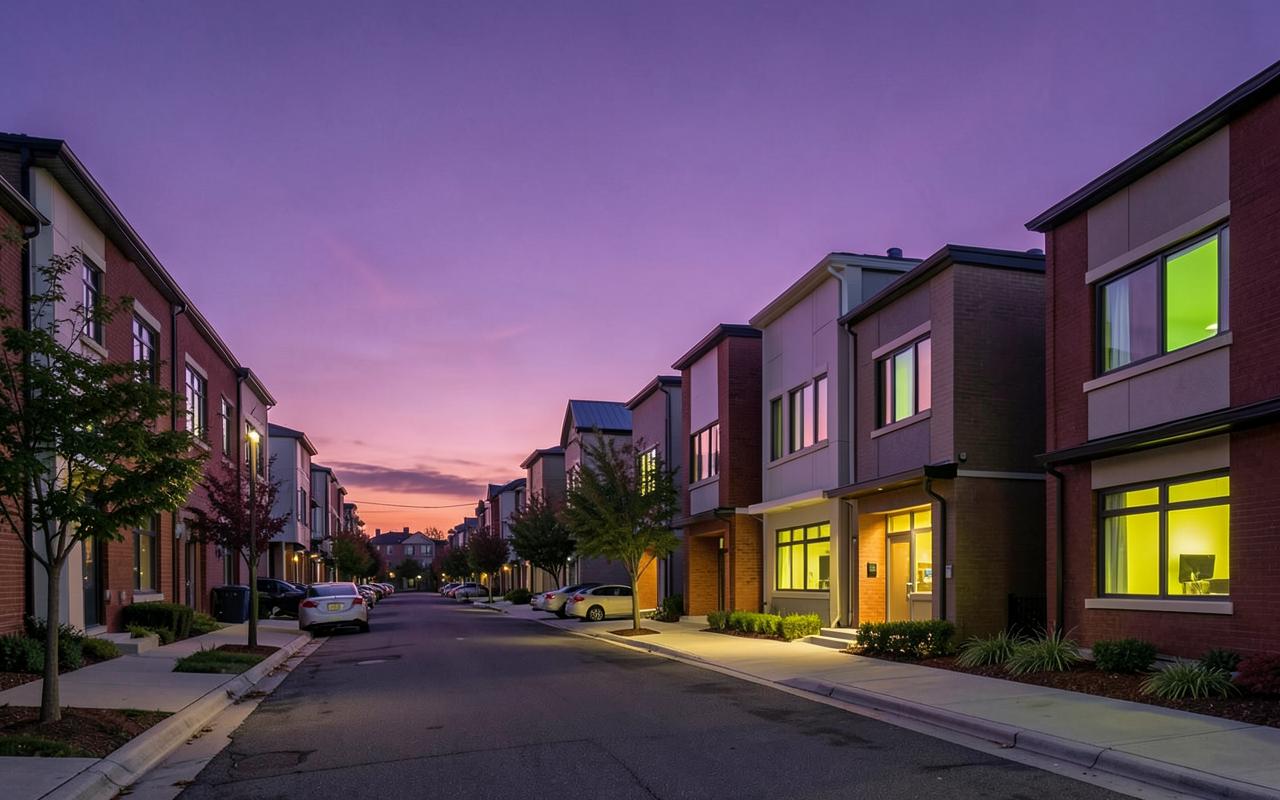
Toronto is really several markets at once - downtown condos, midtown semis and suburban detached homes each move on their own timeline.
Toronto is not one housing market. Downtown condo towers, midtown semi-detached streets, the older east-end pockets and the detached suburbs in Scarborough and Etobicoke all respond to different buyers, so a single citywide average tells you very little about the home in front of you.
Condos are the most supply-sensitive part of the city. Completions arrive in waves, investor-owned one-bedroom suites compete directly with each other, and rental demand sets the floor under prices. Freehold homes inside the old city core behave differently: supply is effectively fixed, lot value dominates, and demand concentrates around schools and rapid transit.
When you compare listings, compare within a few blocks and within the same housing type. Look at how long similar homes have been listed, whether anything nearby has been relisted at a lower price, and how asking price per square foot compares. Those three signals tell you more about negotiating room than any market headline.
More from the newsroom
Market update
GTA market update: what buyers are seeing this fall
Listing counts are up across the Greater Toronto Area while price growth stays flat, giving buyers more room to negotiate.
Buying guide
Ontario land transfer tax: the rates and how the bill is calculated
Ontario land transfer tax is charged in brackets, so the rate rises only on the portion of the price above each threshold.
Pre-construction
The 10-day cooling-off period on a new Ontario condo
Buyers of a new condominium from the developer get a statutory 10-day right to rescind without penalty.